

Neurodiversity isn’t a diagnosis. It’s a lived reality shared by millions of people whose brains work differently in a world that often expects sameness.
In community conversations, people have described what it actually takes to get through a day. This shows up again and again, in how people describe their days. What things cost. What increases that cost. And what has to be given up just to stay okay.
The Spoon Theory provided a way to describe this. Over time, people began using it to talk about sharing spoons: Supporting each other by taking on what costs them less.
Love Spoons builds on that. Not just sharing effort. Offering care. Offering love in action.
Support is not just about managing energy. It’s about changing what individuals and their families are expected to carry on their own.
What Love Spoons Does
We reduce load where it can be reduced.
We share effort where it makes sense.
We support work that helps people day to day.
We support work that is already making a difference.
We look at where things are not working.
This includes:
Listening to and incorporating input from the community
Lifting up the voices of neurodiversepeople
Directing funds to aligned charities and initiatives
Running awareness efforts that reflect real life, not assumptions
Connecting with aligned organizations and supporting work already being done
Looking at what current research says, and where it falls short
Exploring the real-world impact of missing supports, including in areas like employment
Sharing clear summaries of research and what it means in practice
Raising questions where research or data does not match real life
Offering seminars
and webinars to share practical insight
Not everything needs to be carried alone.
This includes:
Listening to and incorporating input from the community
Lifting up the voices of neurodiverse people

Directing funds to aligned charities and initiatives

Running awareness efforts that reflect real life, not assumptions

Looking at what current research says, and where it falls short

Connecting with aligned organizations and supporting work already being done
Exploring the real-world impact of missing supports, including in areas like employment
Sharing clear summaries of research and what it means in practice

Raising questions where research or data does not match real life
Offering seminars
and webinars to share practical insight

Not everything needs to be carried alone.
This includes:
Listening to and incorporating input from the community
Lifting up the voices of neurodiverse people
Directing funds to aligned charities and initiatives
Running awareness efforts that reflect real life, not assumptions
Looking at what current research says, and where it falls short
Connecting with aligned organizations and supporting work already being done
Exploring the real-world impact of missing supports, including in areas like employment
Sharing clear summaries of research and what it means in practice
Raising questions where research or data does not match real life
Offering seminars
and webinars to share practical insight
Not everything needs to be carried alone.
Why This Exists
For many neurodiverse people, this starts early.
Some children are taught to adjust. To mask. To keep up.
Even when things cost them more.
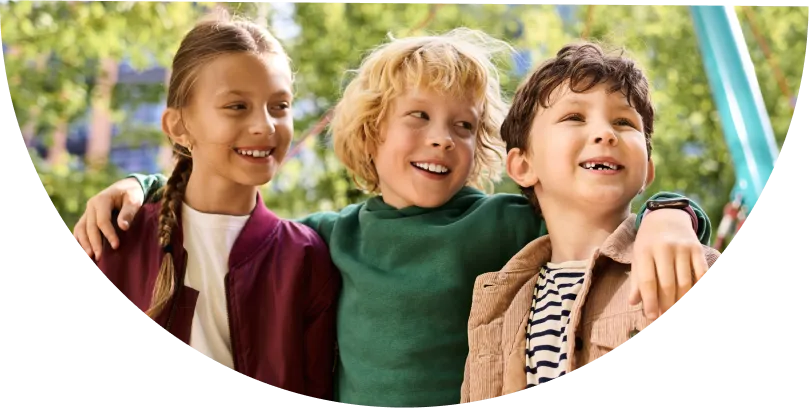

Others are not able to do that in the same way. Their needs are more visible. They require more support. Sometimes that support is constant. They are often left out. And silenced.
School. Social expectations. Daily routines. Many of these environments are not built with neurodiversity in mind.

Over time, these patterns continue into adulthood. For some, that looks like pushing through. For others, it looks like ongoing gaps in support. For many families, it means carrying a level of coordination, advocacy, and care that is not recognized. Work that does not stop. Decisions that do not pause.
Over time, it all adds up.
Love Spoons exists to change that. Reduce what can be reduced. Share what can be shared. Make it easier to take part in everyday life without burning out.
Support is not just about managing energy. It’s about changing what individuals and their families are expected to carry on their own.
POSITION
This is early-stage work.
It starts with listening. Then understanding what is already known. Then connecting and building from there.
The first phase focuses on:
Supporting existing organizations doing aligned work
Examining gaps between research and real life

Building a clear, usable base of knowledge
Creating awareness grounded in what people actually experience

We are developing partnerships. We are paying attention to what works. We adjust as we go.
This work draws on real life, and on expertise in measurement, systems, and implementation.
ORIGIN
The concept of “spoons” comes from Christine Miserandino.
It started as a way to describe limited energy in chronic illness.
It has since been taken up more broadly, including in neurodiverse communities, to describe how energy is experienced across daily life.
STAY CONNECTED
This work is ongoing.
If you want to follow it, contribute to it or share your perspective: